
News & Commentary
Sep 18, 2015
Should businesses be able to discriminate based on religion?
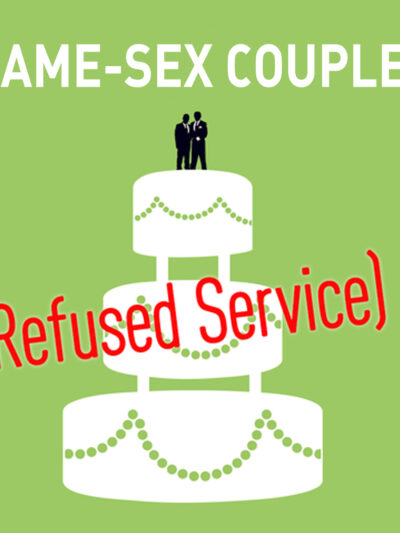
In a critical decision this week, the Illinois Human Rights Commission ruled in favor of our clients, Todd and Mark Wathen, who were denied the opportunity to host their civil union ceremony at a downstate Bed & Breakfast. Not only did the owners of the B&B deny Todd and Mark the services they offer to different-sex couples, they sent an email lecturing the Wathens about the owners’ religious beliefs regarding the “gay lifestyle.” When the Wathens complained to the Human Rights Commission, the owner claimed he was exercising his religious liberty in denying them service.
Sep 11, 2015
Chicago Tribune: Chicago police DUI checkpoints still concentrated in minority neighborhoods
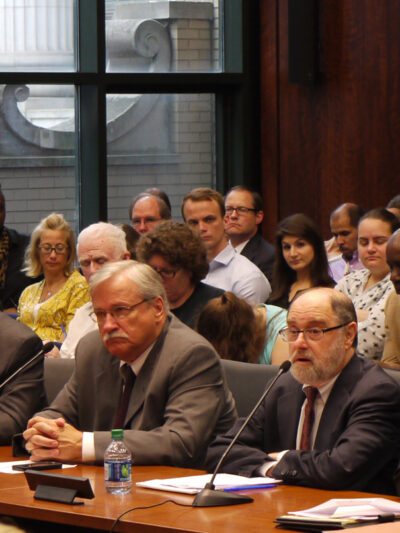
Chicago Police are conducting DUI checkpoints primarily in Black and Latino neighborhoods, the Chicago Tribune reports. This increased police activity in minority neighborhoods is occurring even despite data showing that the neighborhoods targeted are not neighborhoods with a high number of DUI incidents. The ACLU of Illinois has monitored and analyzed traffic stop data from law enforcement agencies throughout the state for over a decade. Each year, traffic stop data show persistent patterns of racial disparity in the number and nature of stops by Chicago Police, which include DUI checkpoints. The Chicago Tribune spoke with ACLU of Illinois Senior Staff Attorney Adam Schwartz:

Sep 11, 2015
Making sure our clients don’t suffer during the state budget crisis
Fighting for children & people with disabilities during budget impasse
Sep 04, 2015
International Business Times: Facebook Keeps Getting Sued Over Face-Recognition Software
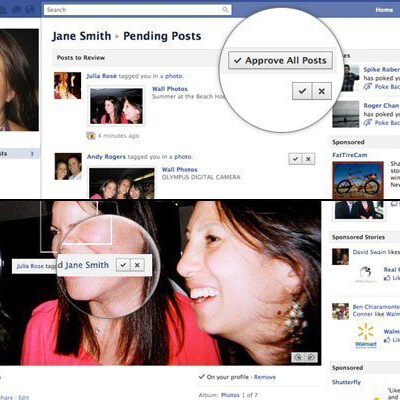
The International Business Times spoke with ACLU of Illinois' Legislative Director Mary Dixon about privacy concerns over biometrics – facial recognition technology used by applications including Facebook. Biometrics track unique human characteristics as a way to identify a specific individual. Facebook uses biometrics to automatically suggest specific people to tag in photos uploaded by its users. In 2008, the ACLU of Illinois lobbied to pass the Biometric Information Privacy Act (BIPA) which created important regulations on the use of biometric information including guidelines for required consent and prohibiting the sale of biometric data for profit. Because the technological landscape has shifted since 2008, privacy advocates are concerned that BIPA does not have the legal legs necessary to win against Facebook in court. Dixon says:
Sep 03, 2015
Parody is speech
In a matter defined by the intersection of free speech and modern technology, the ACLU and the City of Peoria agreed yesterday to settle in a lawsuit dubbed “Twittergate” by media in Peoria.
Aug 21, 2015
New Illinois Law Says, “Enough!”
Today, Governor Rauner signed SB 1547 into law. This new law bars cities and towns from punishing landlords and tenants based on calls for police assistance in response to incidents of domestic and sexual violence or on behalf of a person with disabilities.
Aug 21, 2015
Naperville Sun: Naperville won't require landlords to do 'crime-free' program training
The Naperville Sun has a story about the city of Naperville's "crime-free" housing program, which will remain in operation despite concerns from domestic violence advocacy organizations. The ACLU of Illinois has also voiced concerns over such programs as they often deter crime victims and domestic violence survivors from calling the police for help. Crime-free housing or "nuisance" ordinances are methods employed to deter crime in housing units by penalizing residents or landlords when repeated calls to police are made from a given property. The Naperville Sun spoke with ACLU legal fellow Amy Meek:
Aug 20, 2015
Federal consent decrees: fact and fiction
Last week, ACLU of Illinois Associate Legal Director Benjamin Wolf was asked to testify before an Illinois House Committee examining the interaction between state spending and federal consent decrees that govern particular functions of state government. The issue is especially critical right now because, as everyone knows, the State is operating without an agreed budget for the fiscal year that began on July 1st. The ACLU and our allies have been active in federal court over the past few weeks, assuring that protections and payments guaranteed under current federal consent decrees continue until the Governor and the legislature can agree on a budget.
Aug 13, 2015
ACLU Statement on Agreement with the Chicago Police Department on Stop and Frisk Reform
When the ACLU issued our report on stop and frisk in Chicago in March 2015, we made a number of explicit recommendations, all of which are recognized as “best practices” by persons who oppose unlawful stop and frisk, including: data collection about every stop by police, the public release of this data, the issuance of a receipt to every person stopped, and enhanced training of CPD officers in stop and frisk. We have advocated for these steps from the City for more than a decade. That report was widely distributed and shared with many groups who understood and shared our goals.

Stay Informed
Sign up to be the first to hear about how to take action.
By completing this form, I agree to receive occasional emails per the terms of the ACLU’s privacy statement.
By completing this form, I agree to receive occasional emails per the terms of the ACLU’s privacy statement.