
News & Commentary
Aug 31, 2017
DACA in Illinois: “Being Undocumented Leaves You Vulnerable”
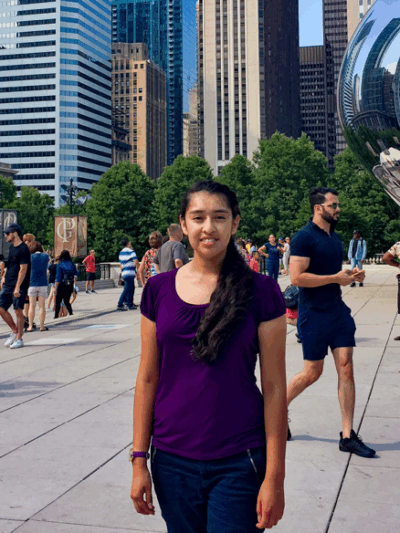
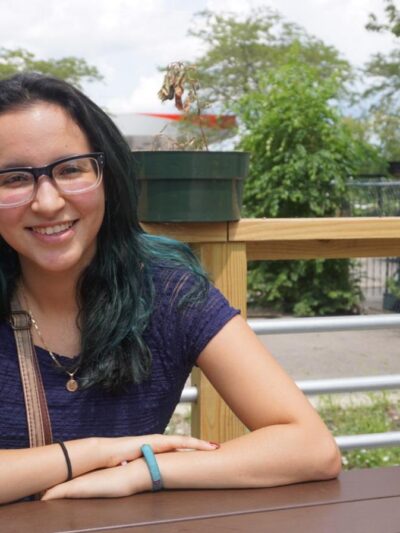
To honor DACA’s fifth anniversary, the ACLU of Illinois has launched a storytelling project featuring DACA recipients. We hope that by telling these stories, we give agency to more people to tell their own story and challenge the harmful rhetoric coming from the Trump Administration. Here is our last story of this series:ESTEFANIAWhen I was little, I remember going with my parents to the doctor
Aug 30, 2017
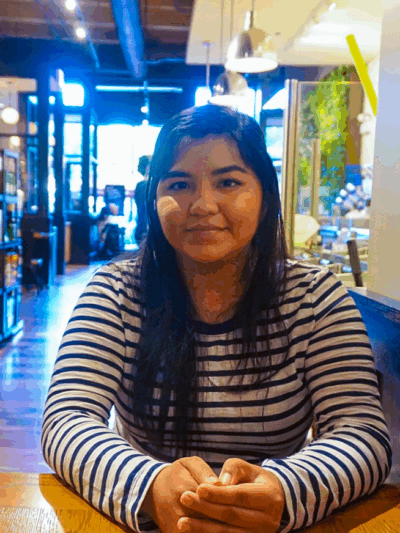
DACA in Illinois: Suri’s Story
I currently attend Harold Washington College. I am interested in majoring in Latin American studies or an area that involves public policy. I didn’t know about my history or where I came from until I took a class on Latin American studies. This class woke up something inside of me that has pushed me
Aug 24, 2017
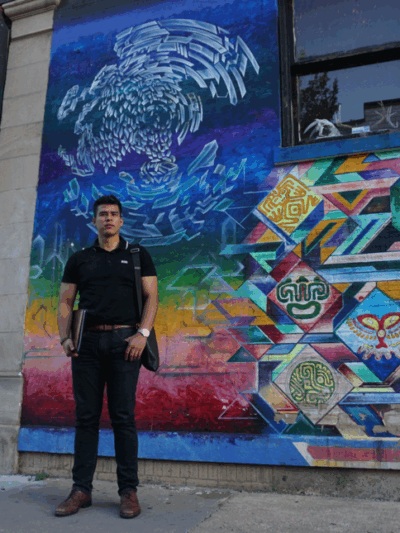
DACA in Illinois: Julio’s Story
My name is Julio Cesar Reyes. Back home in Zacatecas, Estancia de Animas, Villa Gonzalez, Mexico; I lived in a small masonry home with very limited exposure to architecture and very few construction opportunities. In 2001, when I was 6 years old, my life changed completely. My mother, my three sibli
Aug 22, 2017
DACA in Illinois– “DACA was Born Out of Activism”
I can’t imagine getting into college without DACA. I can’t imagine doing half the things I did in high school without DACA. With it, I was able to travel with my mock trial team.
Aug 18, 2017
DACA in Illinois – “My Whole Life is Here”
My roots are in Chicago. My whole life is here, my family and husband are here. We just bought a house and we depend on my income to support my family. Just to know that my job, our house, our life here could all so easily be taken away from us is terrifying.

Aug 15, 2017
DACA in Illinois – Diana’s Story
To honor DACA’s fifth anniversary, the ACLU of Illinois is launching a storytelling project featuring DACA recipients. We hope that by telling these stories, we give agency to more people to tell their own story and challenge the harmful rhetoric coming from the Trump Administration.
Nov 20, 2015
Losing the War Against ISIS – Turning a Deaf Ear to Sun Tzu and Julius Caesar – and Losing Ourselves
Earlier this week, the ACLU of Illinois urged Governor Rauner to re-think his plan to ban Syrian refugees who are fleeing the brutality of ISIS, given the serious legal ramifications of such a ban. ACLU of Illinois Board member Shermin Kruse provides this compelling first-hand account of why the U.S. must continue to welcome refugees. My introduction to religious oppression and bloody conflict came early in life. I

Jan 29, 2014
Honoring Fred Korematsu: 1/30/1919-3/30/2005
He was 23, in a San Francisco prison for defying a federal order, and had gone so far as to change his name and undergo minor plastic surgery to avoid arrest. In 1942, most would call the young man’s actions, at best, imprudent; at worst, suspicious and disloyal. Few would consider him a brave patriot. The country was at war and citizens wrapped themselves in a cloud of apprehension that measured civic duty and loyalty through obedience. Few supported the imprisoned shipyard worker, Fred Korematsu, or condoned his refusal to report, as ordered, to his assigned “Assembly Center” in Oakland where the federal government was rounding up Japanese Americans for relocation out of west coast states.Ernest Besig, then Director of the ACLU-Northern California saw Korematsu

Jan 15, 2014
The Washington Post: Border-patrol drones being borrowed by other agencies more often than previously known
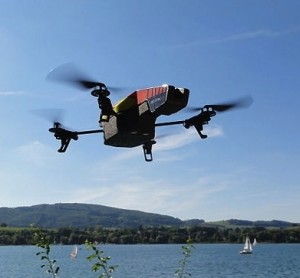
Recently released government logs document that multiple law enforcement agencies tap into the U.S. Customs and Border Protection’s extensive and sophisticated fleet of drones for domestic surveillance use, according to the Washington Post. Between 2010-2012, the Customs and Border Patrol (CBP) flew 700 drone missions for other government agencies. The logs, obtained through a Freedom of Information lawsuit, brought by the civil liberties group Electronic Frontier Foundation, reveal that the Coast Guard, the Drug Enforcement Agency and immigration authorities are using CBP drones at frequency rates higher than previously disclosed. A spokesman for the Electronic Frontier Foundation warned that the extensive drone use raised serious privacy issues. These are the same concerns raised by the ACLU of Illinois in support of the Illinois’ Freedom From Drone Surveillance Act, enacted last August to off-set possible privacy abuses by government drones. The Post reports that:
Stay Informed
Sign up to be the first to hear about how to take action.
By completing this form, I agree to receive occasional emails per the terms of the ACLU’s privacy statement.
By completing this form, I agree to receive occasional emails per the terms of the ACLU’s privacy statement.