
News & Commentary
Nov 10, 2015
Chicago Tribune Letter to the Editor: Keeping our communities and children safe
This letter to the editor appeared in the Chicago Tribune on Tuesday, November 10.
Oct 30, 2015
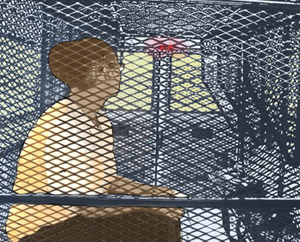
Chicago Reporter: Is Chicago the worst city in the country for driving while black?
The Chicago Reporter spoke with Ed Yohnka, the ACLU of Illinois' Director of Communications and Public Policy, for an article about a recent New York Times analysis that found Chicago may be the worst city to "drive while black." The data found that black drivers in Chicago are 5.2 times more likely than white drivers to be subject to a consent search. The ACLU of Illinois has analyzed traffic stop data in Chicago for years and has also continually found a significant racial disparity in the use of consent searches. The traffic stop data highlighting consent searches throughout the state is released on an annual basis under the Illinois Traffic Stop Statistical Study Act of 2003, a measure originally championed by then State Senator Barack Obama.

Oct 22, 2015
Getting it right for transgender students
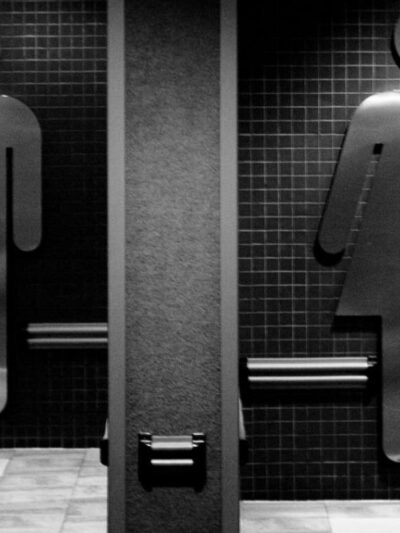
Last week, a suburban Chicago school district – High School District 211 – announced that they would not comply with a ruling by the Department of Education Office of Civil Rights (OCR) that the District was in violation of Title IX. The violation occurred when the District refused to allow our client, a high school girl, to use the girls’ locker room just because she is transgender. In speaking with the media and in school newsletters and a column in the suburban Daily Herald, Mr. Cates, the District superintendent, presented a remarkably distorted view of the process leading up to OCR’s decision. Worse still, he presented an insensitive and inaccurate depiction of what it means to be transgender and sent a message to our client and other transgender students that they are not viewed as equal to the other students in District 211.
Sep 30, 2015
Take action to protect victims of crime
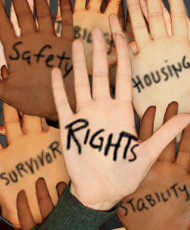
It’s a horrifying scenario: you get assaulted. You call 911 for help. Then you get evicted because you called the police for help. This is very real for many people living across the state.So-called “crime-free housing” or “nuisance” property ordinances often penalize tenants and landlords when police are called in response to alleged criminal activity at a property. A new Illinois law aims to protect victims of crime from the harms of these ordinances. The new law removes the threat of punishment and bars local governments from enacting or enforcing ordinances that punish tenants or landlords for calls to police in response to incidents of domestic or sexual violence or on behalf of a person with disabilities.
Sep 18, 2015
Should businesses be able to discriminate based on religion?
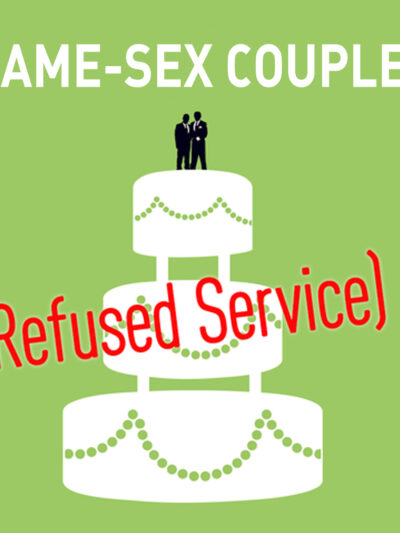
In a critical decision this week, the Illinois Human Rights Commission ruled in favor of our clients, Todd and Mark Wathen, who were denied the opportunity to host their civil union ceremony at a downstate Bed & Breakfast. Not only did the owners of the B&B deny Todd and Mark the services they offer to different-sex couples, they sent an email lecturing the Wathens about the owners’ religious beliefs regarding the “gay lifestyle.” When the Wathens complained to the Human Rights Commission, the owner claimed he was exercising his religious liberty in denying them service.
Sep 11, 2015
Chicago Tribune: Chicago police DUI checkpoints still concentrated in minority neighborhoods
Chicago Police are conducting DUI checkpoints primarily in Black and Latino neighborhoods, the Chicago Tribune reports. This increased police activity in minority neighborhoods is occurring even despite data showing that the neighborhoods targeted are not neighborhoods with a high number of DUI incidents. The ACLU of Illinois has monitored and analyzed traffic stop data from law enforcement agencies throughout the state for over a decade. Each year, traffic stop data show persistent patterns of racial disparity in the number and nature of stops by Chicago Police, which include DUI checkpoints. The Chicago Tribune spoke with ACLU of Illinois Senior Staff Attorney Adam Schwartz:
Sep 11, 2015
Making sure our clients don’t suffer during the state budget crisis
Fighting for children & people with disabilities during budget impasse
Sep 04, 2015
International Business Times: Facebook Keeps Getting Sued Over Face-Recognition Software
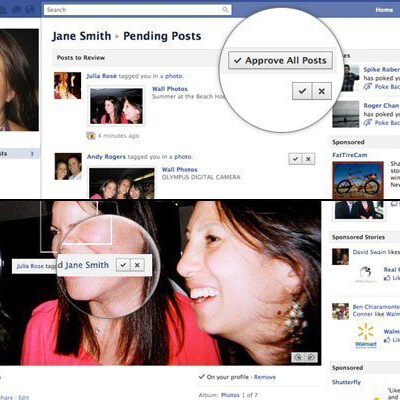
The International Business Times spoke with ACLU of Illinois' Legislative Director Mary Dixon about privacy concerns over biometrics – facial recognition technology used by applications including Facebook. Biometrics track unique human characteristics as a way to identify a specific individual. Facebook uses biometrics to automatically suggest specific people to tag in photos uploaded by its users. In 2008, the ACLU of Illinois lobbied to pass the Biometric Information Privacy Act (BIPA) which created important regulations on the use of biometric information including guidelines for required consent and prohibiting the sale of biometric data for profit. Because the technological landscape has shifted since 2008, privacy advocates are concerned that BIPA does not have the legal legs necessary to win against Facebook in court. Dixon says:
Stay Informed
Sign up to be the first to hear about how to take action.
By completing this form, I agree to receive occasional emails per the terms of the ACLU’s privacy statement.
By completing this form, I agree to receive occasional emails per the terms of the ACLU’s privacy statement.