
On September 12, 2026, Deb’s Law became effective across the State of Illinois. Under the law, Illinois joins 14 other states and the District of Columbia in allowing terminally ill patients to access all end-of-life options, including the ability of accessing medical aid in dying and determining the time and manner of their passing ending the pain and suffering of their disease.
Deb’s Law is the result of years – indeed decades – of advocacy by groups and individuals across our state who have seen medical aid in dying laws work in other states for two decades. Some of the most profound advocate voices are people like Suzy Flack, whose son Andrew was compelled to remain in California – hundreds of miles away from his family – at the end of his life because he wanted the option of accessing medical aid in dying. Legislators also benefitted hearing from Nilsa Centeno, whose son moved to Chicago pursuing his dream of becoming a chef and died of a brain tumor without being able to access medical aid in dying.
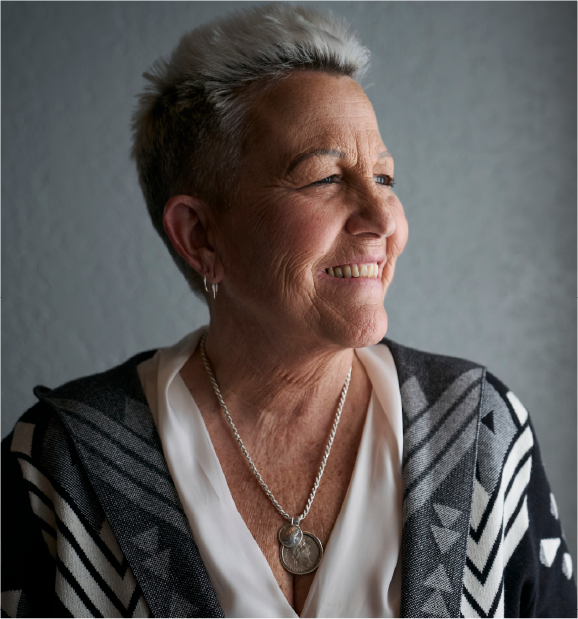
The law is named for Deb Robertson, a longtime Lombard resident, who is facing a terminal illness. Deb has courageously devoted her time – precious remaining time – to become the lead spokesperson in favor of medical aid in dying in Illinois. The passage of this law is a credit to Deb’s eloquence, her empathy for those who disagree with her and her commitment to providing this option for all who follow her. We are grateful for her spirit and inspiration.
Despite hyperbole surrounding the debate and discussion about Deb’s Law, strict guidelines are in place that must be met before anyone can access medical aid in dying care. The legislation expands compassionate end of life options in a manner that establishes clear processes, guidelines, and protocols. Adult patients (18 or older) requesting end-of-life medication must:
- Be diagnosed with a terminal illness, with a prognosis of less than six months to live – confirmed by two doctors;
- Make at least two requests to access medical aid in dying, including a written request. Only the patient – no one else can make the request.
- Have the mental capacity, confirmed by their physician, to make medical decisions.
- Engage in counseling around all end-of-life care options, including comfort care, hospice, palliative care, and pain control.
Despite last minute litigation filed to block implementation of the law, Deb’s Law also provides that no physician, pharmacist, health care provider or entity is required to provide the care or participate in the option.
For more than a century, protecting bodily autonomy has been at the core of work at the ACLU. Bodily autonomy, put simply, places control over our destiny in our hands, without government or outsiders being permitted to impose their beliefs, values or desires above our own. This commitment is reflected in myriad of policy goals sought by the ACLU – from advancing protections for reproductive health care, protecting LGBTQ+ rights and gender-affirming care, advancing needed protections for those living with disabilities and assuring that every patient seeking any type of medical care is provided an opportunity to give “informed consent” before undergoing any treatment.
Offering individuals the full range of end-of-life options when they face a terminal medical diagnosis is a continuation of this work. As we have seen attacks on funding reproductive rights and access to gender care – among other actions – from the federal government, it is even more critical that we do everything we can to ensure that all Illinois residents have the capacity to make their own decisions, including at the end of life, in their home state. It is both the right and the compassionate thing to do.